STUDYUP STUDIO™   /   THE MATHEMATICS OF POSSIBILITY

EVERY MIND HASA STARTING POINT.

But a starting point is not a limit.

What if mathematics began with the step you could already take—and made the next one possible?

02 / THE MOMENT OF DOUBT

When the numbers change,
confidence can disappear.

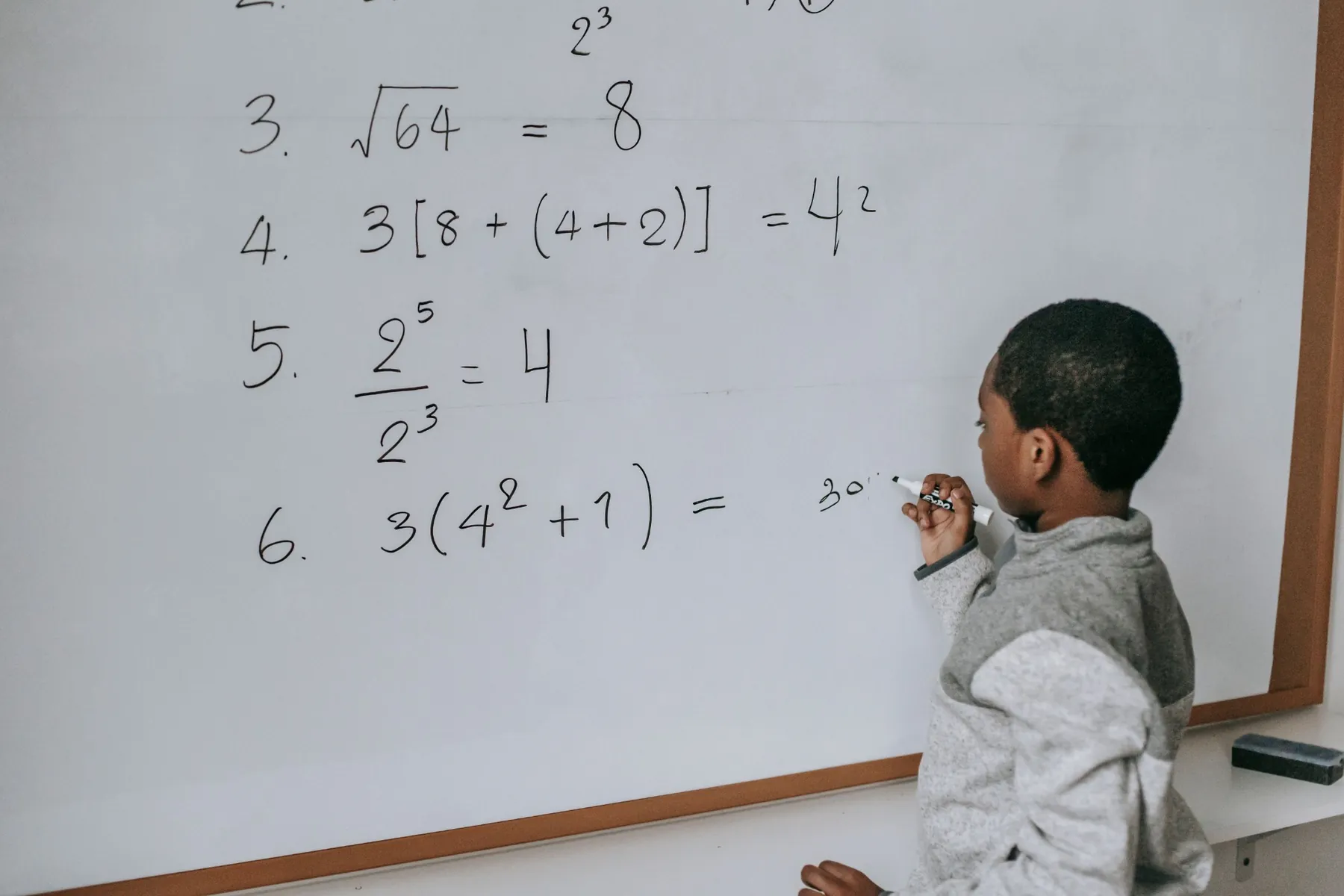
A learner may recognise a method yesterday and struggle to use it today. That uncertainty is a signal to discover what they already understand—not a reason to give up.

Discover the starting point before asking the learner to climb higher.
Explore the numeracy challenge ↗

03 / THE DISCOVERY

What if we could
see the thinking?

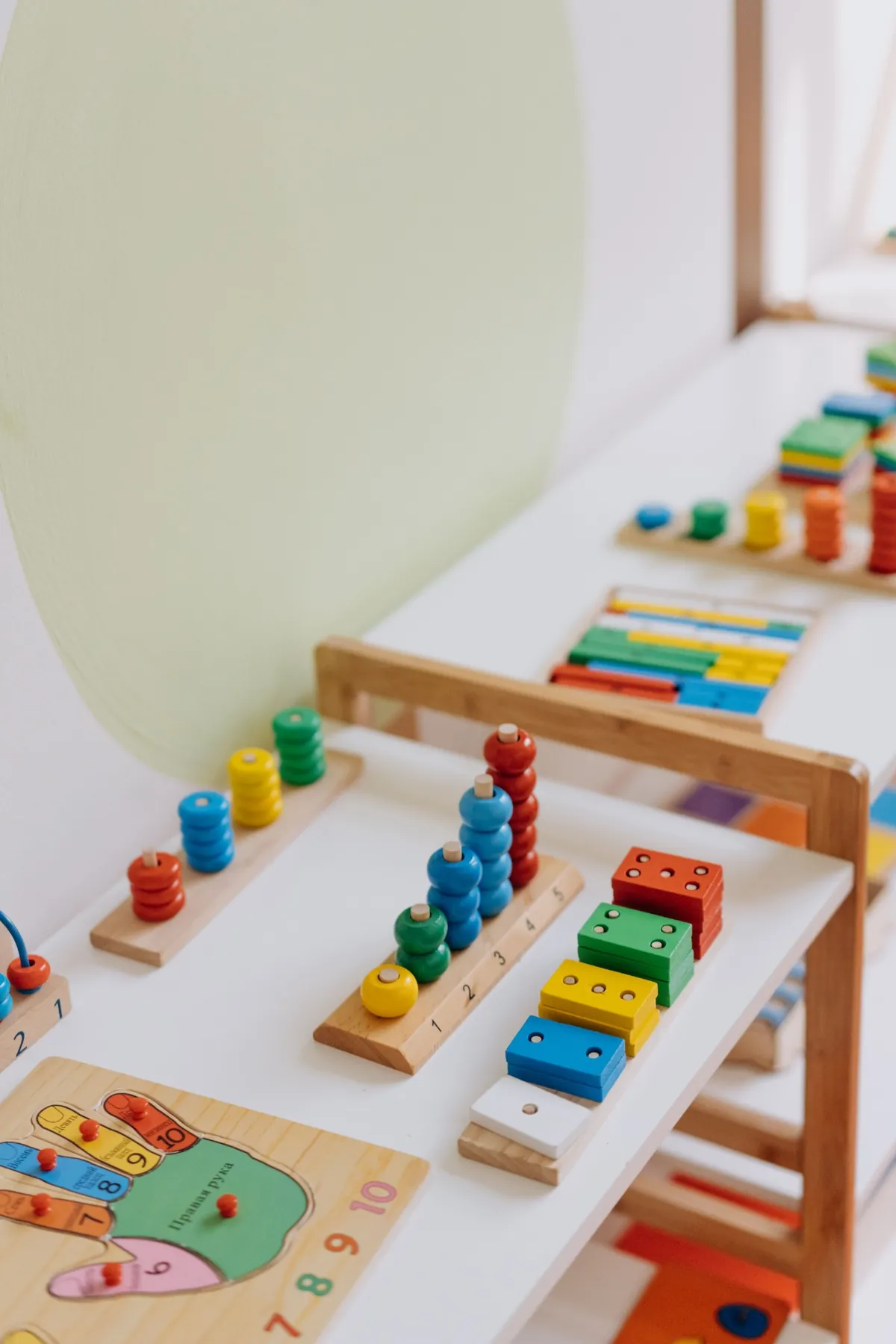
Before explaining the rule, change the representation. Explore how twenty can become four equal groups.

MAKE THE MATHEMATICS VISIBLE20 ÷ 4 = ?

Twenty counters. What would four equal groups look like?

04 / REPRESENT TO UNDERSTAND

The breakthrough begins
with a different view.

A counter, a number line, a drawing, a conversation: each reveals a different path to the same mathematical relationship.

05 / THE SCIENCE OF THE NEXT STEP

Between “I can’t yet”
and “I can.”

The Zone of Proximal Development (ZPD), described by Lev Vygotsky, is the space between what a learner can do independently and what they can achieve with guidance or capable collaboration.

Proximal Math draws on that idea: discover what is secure, offer a reachable challenge, support the thinking and gradually withdraw the help. Scaffolding is a related instructional practice, not another name for the ZPD.

TRY A TEACHING MOMENT

Same learner.
Different support.

Try a question, seek a clue only if needed and see how the teaching response changes. This demonstrates decisions a teacher might make—not an automated diagnosis.

DISCOVER THE STARTING POINTSTEP 01 / 03

What is one-quarter of twenty?

Have a go before asking for support. The model appears only when it helps your reasoning.

Begin independently.
TEACHER LENS

Observe the first strategy before providing help.

Illustrative teaching sequence, not an assessment or evidence of intervention effectiveness.

06 / PROXIMAL MATH™

A method with movement.
Five teaching moves.

Understand → Practise → Progress is the philosophy. Discover → Explore → Guide → Practise → Transfer is the proposed instructional cycle.

THE TEACHER'S MOVE

Discover the starting point.

Ask the learner to show one quarter of a set. Watch how they organise equal groups before introducing more difficult work.

“Show me four equal groups. How do you know they are equal?”
07 / THE THINKING, NOT JUST THE ANSWER

See the answer.
Hear the thinking.

Two learners can write the same answer and understand very different things. The strategy asks teachers to attend to explanations, representations and whether the idea survives a new problem.

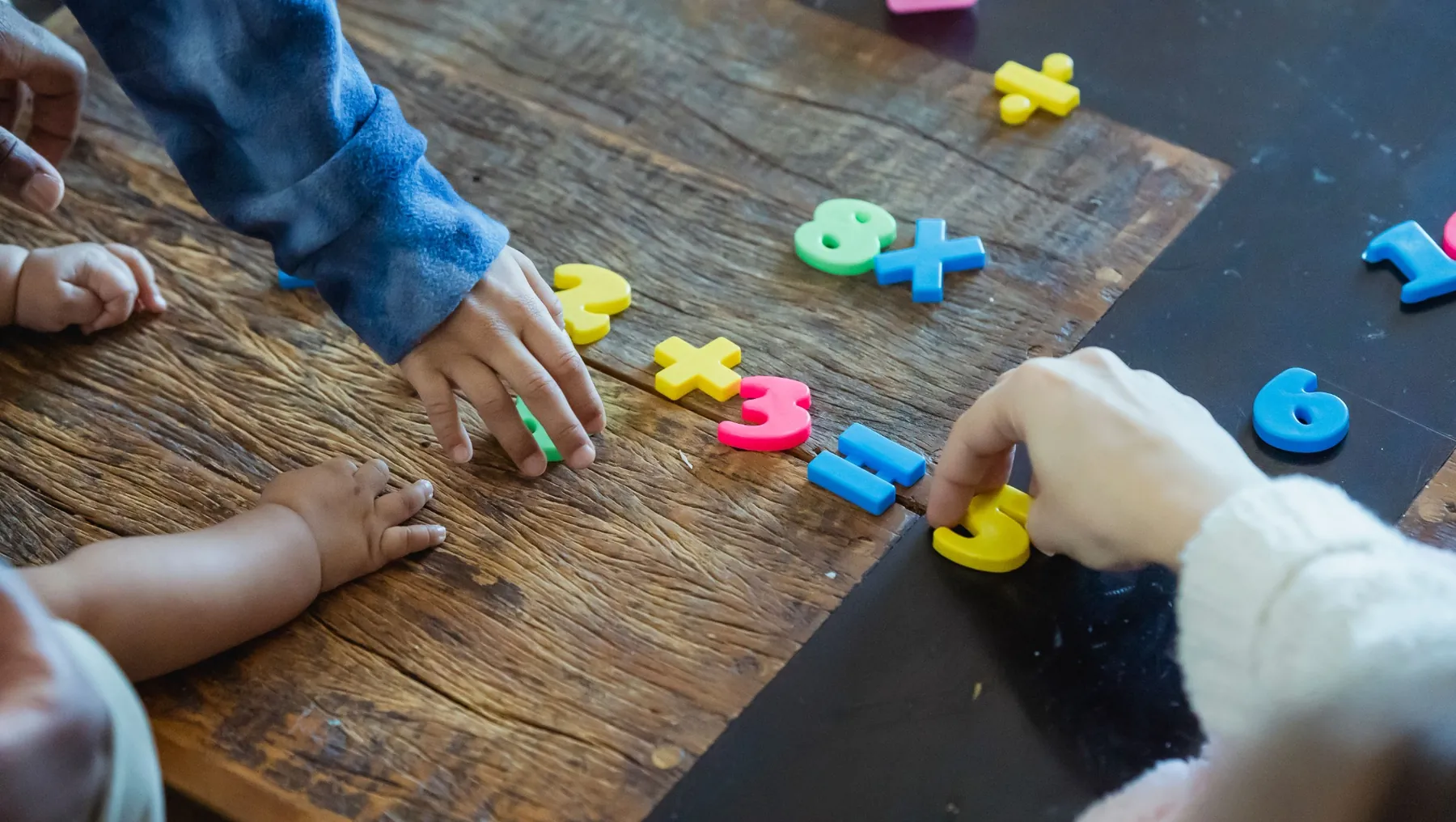
Learners using colourful numbers to explore mathematical relationships
08 / LEARNING IN MOTION

Not just the answer.
The thinking behind it.

Let the learner see the groups, explain the relationship, make a prediction—and then apply the idea somewhere new.

Enter the interactive Math Lab ↗
01 · REPRESENT02 · REASON03 · SOLVE04 · TRANSFER
09 / INTO THE CLASSROOM

A lesson you can
actually picture.

Explore an example 40-minute lesson in finding fractions of a quantity. Reveal each teaching stage, inspect the prompts and see how help is reduced before an independent exit task.

View an on-page lesson preview ↗

No downloadable lesson files. Examples are illustrative rather than a validated curriculum.

Learner using a pencil and ruler in a squared mathematics exercise book
A question becomes
independent reasoning.
10 / PROOF THROUGH PRACTICE

What happens when
we teach the next step?

Explore an institutional pilot designed around real learners, purposeful teaching and honest evaluation. For primary, secondary, tertiary and adult numeracy settings.

A meaningful pilot would measure independent competence, mathematical reasoning and learner confidence separately—not assume enthusiasm alone proves progress.

THE NEXT CHAPTER BEGINS WITH A QUESTION

THINK DIFFERENTLY.
UNDERSTAND DEEPLY.
GO FURTHER.

Proximal Math™ — Learning that moves with you.

Explore an institutional pilot ↗